Texas Criminal Defense Attorney
Board-certified. Trial-tested. Former judge. Decades of courtroom experience on your side.
Request Free Case Review →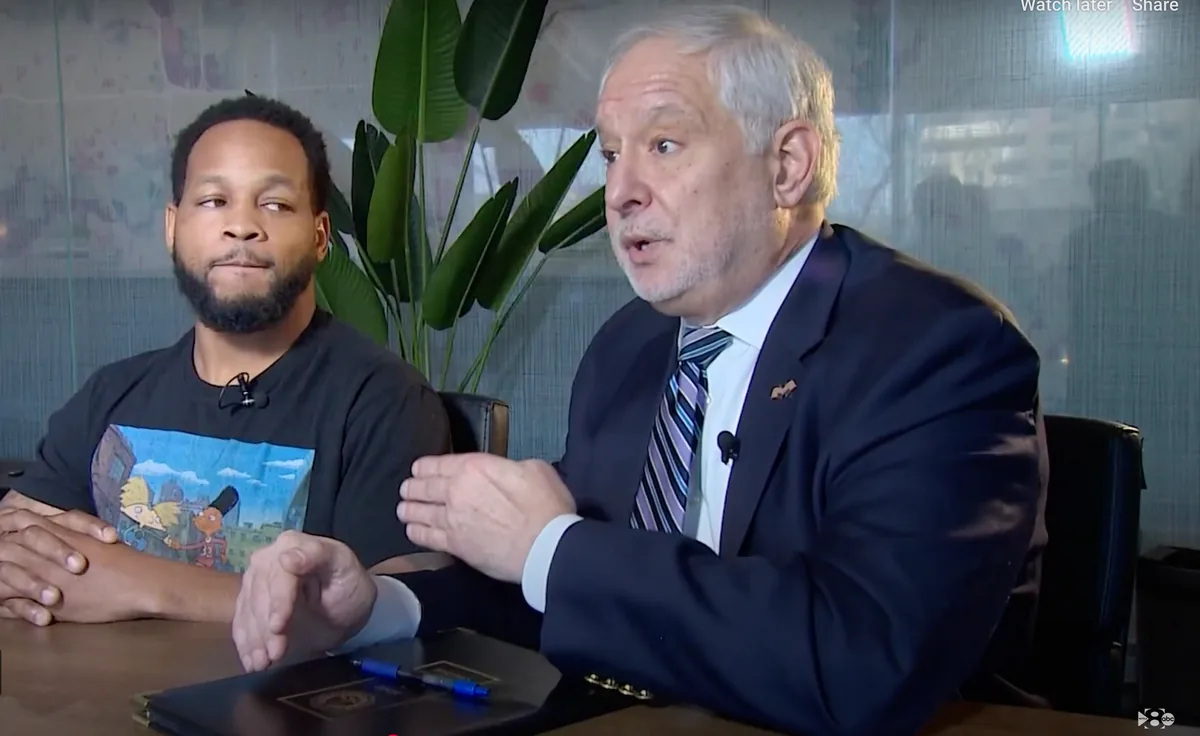
A criminal charge in Texas can change your life — your freedom, your job, your reputation, your family. At Wyde & Associates, we bring more than 35 years of criminal-law experience to every case. Dan Wyde is Board Certified in Criminal Law by the Texas Board of Legal Specialization and a former Texas judge who has presided over hundreds of criminal trials. We understand how prosecutors build their cases — and how to take them apart.
From first-time misdemeanors to serious felonies. We take criminal defense cases across North Texas.
First, second, and subsequent DWI offenses, intoxication assault, and intoxication manslaughter. Occupational driver's license petitions. ALR hearings to keep you driving.
DWI defense →Misdemeanor and felony assault family violence charges. Strangulation enhancements. Protective order defense. Cases involving spouses, dating partners, parents, or household members.
AFV defense →Simple assault, assault causing bodily injury, assault on a public servant, and aggravated assault. Self-defense cases and deadly-weapon allegations — misdemeanor through first-degree felony.
Assault defense →Possession, possession with intent, manufacture, and delivery of controlled substances. Penalty Group 1–4 offenses. Marijuana cases. Diversion eligibility analysis.
Drug possession defense →Unlawful carrying, prohibited weapons, felon in possession. Federal §922(g) implications when family-violence priors are involved.
Theft, fraud, forgery, identity theft, embezzlement, and credit-card abuse — misdemeanor through first-degree felony.
Theft defense →Class C public intoxication citations and arrests — often filed alongside disorderly conduct or resisting. We keep a "minor" charge from becoming a permanent conviction on your record.
PI defense →Aggravated assault, robbery, burglary, sexual offenses, and homicide. Cases requiring deep trial preparation, expert witnesses, and aggressive defense strategy.
Dan Wyde on how AFV charges play out in Texas courtrooms and what changes the outcome.
Dan Wyde is regularly called on by Dallas-Fort Worth news media to break down high-profile criminal cases.
The procedural traps, no-contact violations, and bond-condition errors that wreck otherwise-defensible cases — written for Texans by a board-certified criminal defense attorney.
Download Free GuideAnything you say to police can and will be used against you. Politely tell officers you wish to speak to an attorney before answering any questions — then stop talking.
In assault and family-violence cases, a no-contact order is often a release condition. Calls, texts, social media messages, or in-person contact — even friendly ones — can result in new charges and revoked bond.
As soon as you're able, write down what happened: times, locations, witnesses, what officers said and did, what was said by anyone present. Details fade fast.
Prosecutors read social media. Set accounts to private and do not post anything related to the arrest, the alleged victim, or your case.
The window for the most effective defense work — pre-indictment negotiation, evidence preservation, witness interviews — closes quickly. A board-certified criminal defense attorney can evaluate the case, push back on the prosecution's narrative, and protect your record.
Bond conditions are not suggestions. Skipping a hearing, leaving the county, missing a check-in, or violating a no-contact order can land you back in custody and add new charges.
Texas Board of Legal Specialization. Fewer than 10% of Texas attorneys are board certified in any specialty.
Twice-elected Criminal Court Judge and former Assistant Criminal District Attorney. We've sat on the bench and tried cases from the other side.
Trial-tested across misdemeanor, felony, and federal matters. Deep familiarity with North Texas prosecutors and judges.
You'll talk to a lawyer about your case — not a paralegal or intake screener. Every strategy decision is made by an attorney.
Written quote up front before any retainer. No surprise hourly billing partway through your case.
We appear in courts across the DFW metroplex and surrounding North Texas counties — Dallas, Collin, Denton, Tarrant, Rockwall, Kaufman, Ellis, and beyond.
No. Once police make an arrest in Texas, only the prosecutor — not the alleged victim — decides whether to pursue charges. Even if the alleged victim recants or refuses to cooperate, the prosecution can proceed on police reports, body-cam footage, 911 audio, medical records, and witness statements. A skilled defense attorney can still negotiate dismissals, reductions, or diversion outcomes.
Class A misdemeanor: up to 1 year in jail and a $4,000 fine. Third-degree felony (strangulation or prior conviction): 2–10 years in prison and a $10,000 fine. Plus a permanent record that cannot be expunged or sealed, federal firearm ban under 18 U.S.C. § 922(g)(9), immigration consequences, and lasting effects on custody, housing, and employment.
In Texas, DWI applies to anyone 21 or older driving with a BAC of .08 or higher or while intoxicated by any substance. DUI is a separate offense that applies to minors who drive with any detectable alcohol. The penalties, defenses, and license consequences differ significantly.
Possibly — but not automatically. You have 15 days from arrest to request an Administrative License Revocation (ALR) hearing. Miss that deadline and your license is suspended by default. If your license is already suspended, an Occupational Driver's License petition can get you driving again for work, school, and essential needs.
It depends on the charge, the county, the complexity, and whether the case goes to trial. We quote flat fees in writing before any retainer. Free initial consultations.
Tell us briefly what is happening. A lawyer will respond — not a paralegal, not a chatbot.
Counsel available 24/7 · Confidential · No obligation