Texas Car Accident Attorney
We Help You Get Every Dollar You Deserve.
No Fees Until We Win.
Maximize My Settlement
Texting, adjusting navigation, or reaching for items can take eyes off the road and cause serious crashes.
Alcohol, drugs, or fatigue reduce reaction time and judgment, increasing crash risk.
Tailgating, weaving through traffic, and ignoring speed limits cause countless preventable wrecks.
Unsafe driving during rain, fog, or debris on the road can lead to hydroplaning, loss of control, or chain-reaction collisions.
Responsible for negligence such as fatigue, speeding, or impaired driving.
Can be held liable for unsafe policies, training failures, or illegal schedules.
Shops or contractors who fail to properly inspect or repair vehicles.
Liable for defective parts such as brakes, tires, or steering components.
We pursue every recoverable category — not just the obvious bills — so you don't leave money on the table.
Emergency care, surgery, hospital bills, physical therapy, and ongoing treatment.
Compensation for time missed from work, loss of future earnings, or reduced earning capacity.
Financial recovery for physical pain, emotional anguish, and loss of quality of life.
Repair or replacement costs for your vehicle and any damaged personal property.
Financial support, funeral costs, and justice for families who have lost a loved one due to negligence.
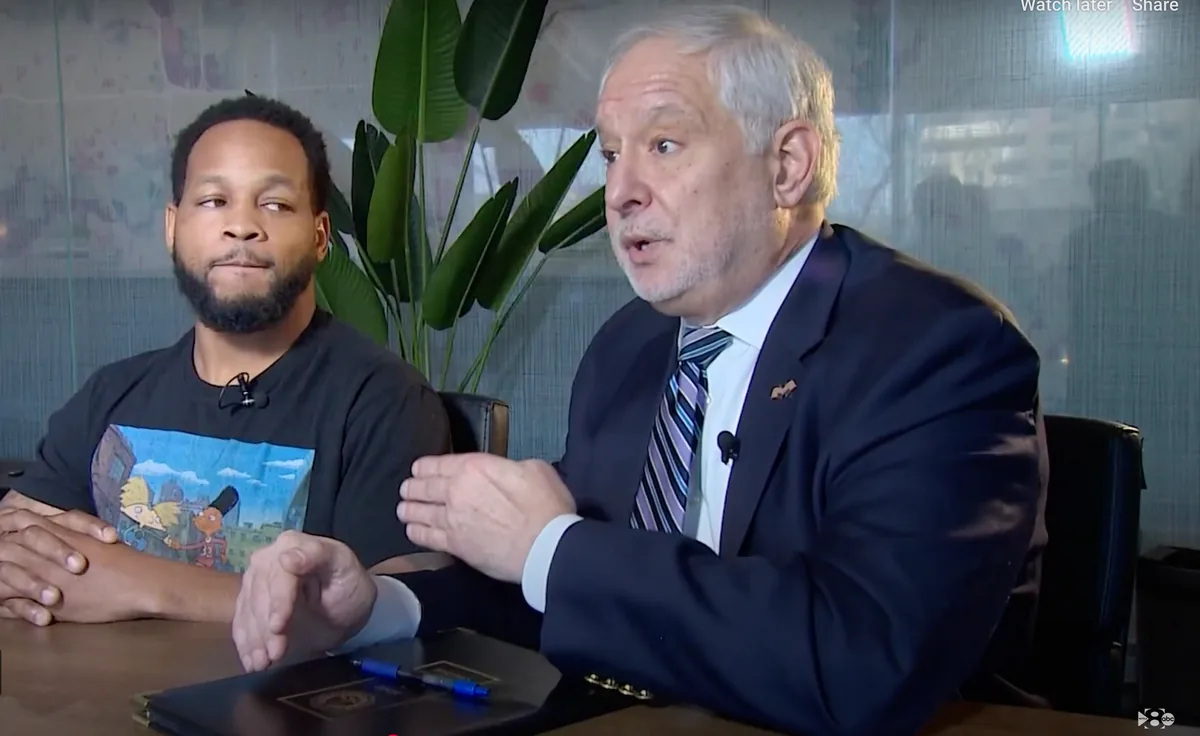
A lighter take on how seriously we go after the insurance companies on your behalf.
Step-by-step guidance from Dan Wyde on protecting your case from the first minute after the crash.
After a wreck you need a team that moves fast, deals with insurance, and keeps you updated.
You pay nothing up front. Our fee comes only when we win your case. Contingency of 33% in most cases.
We handle the adjusters, medical bills, records, and negotiations — so you can focus on recovery.
Decades in Texas courts. We bring courtroom experience to every settlement negotiation.
Can't pay for treatment? We have a network of doctors and chiropractors who treat with no upfront fees.
Guidance on rentals, repairs, or replacement of your totaled vehicle. Fast property-damage resolutions.
You'll know what's happening, why it matters, and what comes next — every step.
We represent injured drivers across North Texas and statewide. Local guides for the communities we serve most:
Texas gives you two years from the date of the collision to file a personal injury lawsuit under Texas Civil Practice & Remedies Code §16.003. Wrongful death claims also carry a two-year limit, measured from the date of death. Property-damage claims have their own deadline. Waiting also lets evidence — surveillance footage, vehicle damage, witness memory — disappear. Most injured drivers should talk to a lawyer within days, not months.
We handle Texas car accident cases on a contingency fee — no fee unless we win. There is no up-front retainer and no hourly billing. Our percentage is disclosed in writing at the start of the case, and it comes out of the recovery, not your pocket. Costs such as medical records, accident reconstruction, or expert witnesses are typically advanced by the firm.
Texas uses modified comparative fault under Texas Civil Practice & Remedies Code §33.001. You can still recover damages as long as your share of fault is 50% or less, but your recovery is reduced by your percentage of fault. If you're found 51% or more at fault, you recover nothing. Insurance companies aggressively push fault onto injured drivers, which is why early legal involvement matters.
Texas requires every auto policy to offer uninsured/underinsured motorist (UM/UIM) coverage unless you reject it in writing. If you carry it, your own UM/UIM coverage steps in where the at-fault driver's insurance fails — including hit-and-runs. We file the UM claim with your own carrier and treat them as the adverse party, because that's what they become in this situation.
Hit-and-run claims in Texas — read the full guide →
No. Do not give a recorded statement, sign a medical authorization, or accept an early settlement offer from the at-fault driver's insurer before you talk to a lawyer. Their adjuster's job is to minimize the payout, and statements made in the first days after a wreck are routinely used to reduce or deny claims later.
Tell us briefly what happened. A lawyer will reach out the same business day.
Counsel available 24/7 · Confidential · No obligation